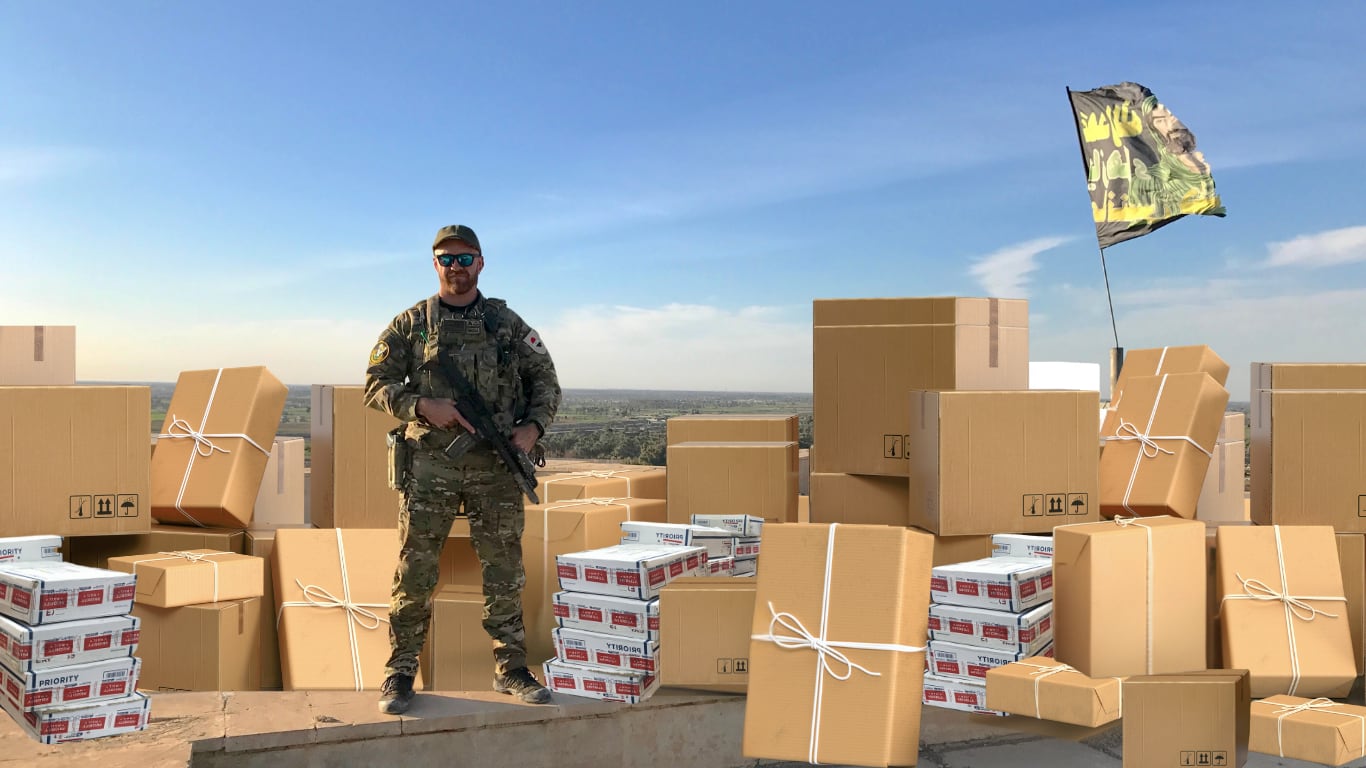
Editor’s note: This article first appeared on The War Horse, an award-winning nonprofit news organization educating the public on military service, under the headline, “We Pined for the Comforts of Home. We Got Tube Socks and Old Candy for Christmas Instead.” Subscribe to their newsletter.
It started as a rumor. But like war stories, rumors tend to grow with the telling, and as deployment dragged on, the number of packages we were expecting doubled and doubled again, eventually reaching delirious heights that surpassed all reason.
A hundred care packages?
Too high and too round a number, I thought. Clearly made up; a conversational exaggeration pulled out of someone’s ass.
These mythical parcels had supposedly been assembled by the very best of front porch America, real Norman Rockwell patriots of some down-home church group connected to one of the guys on my team through his wife’s cousin’s roommate or something. And when this church group heard that a team of Green Berets was deployed to the beige desolation of Iraq for six months, they put out a call for care packages, and the pious congregation had offered up a most goodly bounty.
Not that we were desperate for material salvation. Deployment to Iraq in 2018 was like a government-funded “Lawrence of Arabia” summer camp. We lived at the biggest base in the country, next to the Baghdad airport and far from anything going boom. We ate at chow hall with an omelet bar, slept in air-conditioned shipping containers converted into living spaces and shopped at a small PX selling drinks and snacks.
We even had a Green Beans coffee shop to supply us with mediocre lattes, and a rec center where I played Settlers of Catan every week with doctors and nurses from the hospital. It was austere, but for a combat zone, it was five-star luxury.
Besides the odd helicopter dropping off combat casualties, we felt distanced from the horrors and privations of war. Our biggest struggle was being away from our families and civilian careers (which, as reservists, we’d taken leave from).
Even a cush deployment means half a year away from birthdays, weddings, recitals, graduations and a normal life.
I’d paused my plans for graduate school to become a physician assistant, which would require at least a year of post-baccalaureate coursework. I couldn’t start from a combat zone with shaky Wi-Fi. My girlfriend and I abruptly ended our five years together over Skype, distance having made visible the irreparable cracks in our relationship.
Everything was the color of dirty sand: the T-walls, the housing units, the dust on our vehicles, the days themselves, which faded one into the next as we trained Iraqis who didn’t want to be trained and delivered them equipment they didn’t know how to maintain.
Our deployment felt like the war in miniature, a costly disruption with no clear intention and no end in sight.
Care packages broke up the monotony and sometimes provided us with useful things. Shortly before Christmas, my dad sent me a black, folding pocket knife. Utilitarian enough for everyday use but sporting a point mean enough to ruin someone’s day. Tucked in my right pocket, it went everywhere with me, whether I was flying on a helicopter or walking to the chow hall.
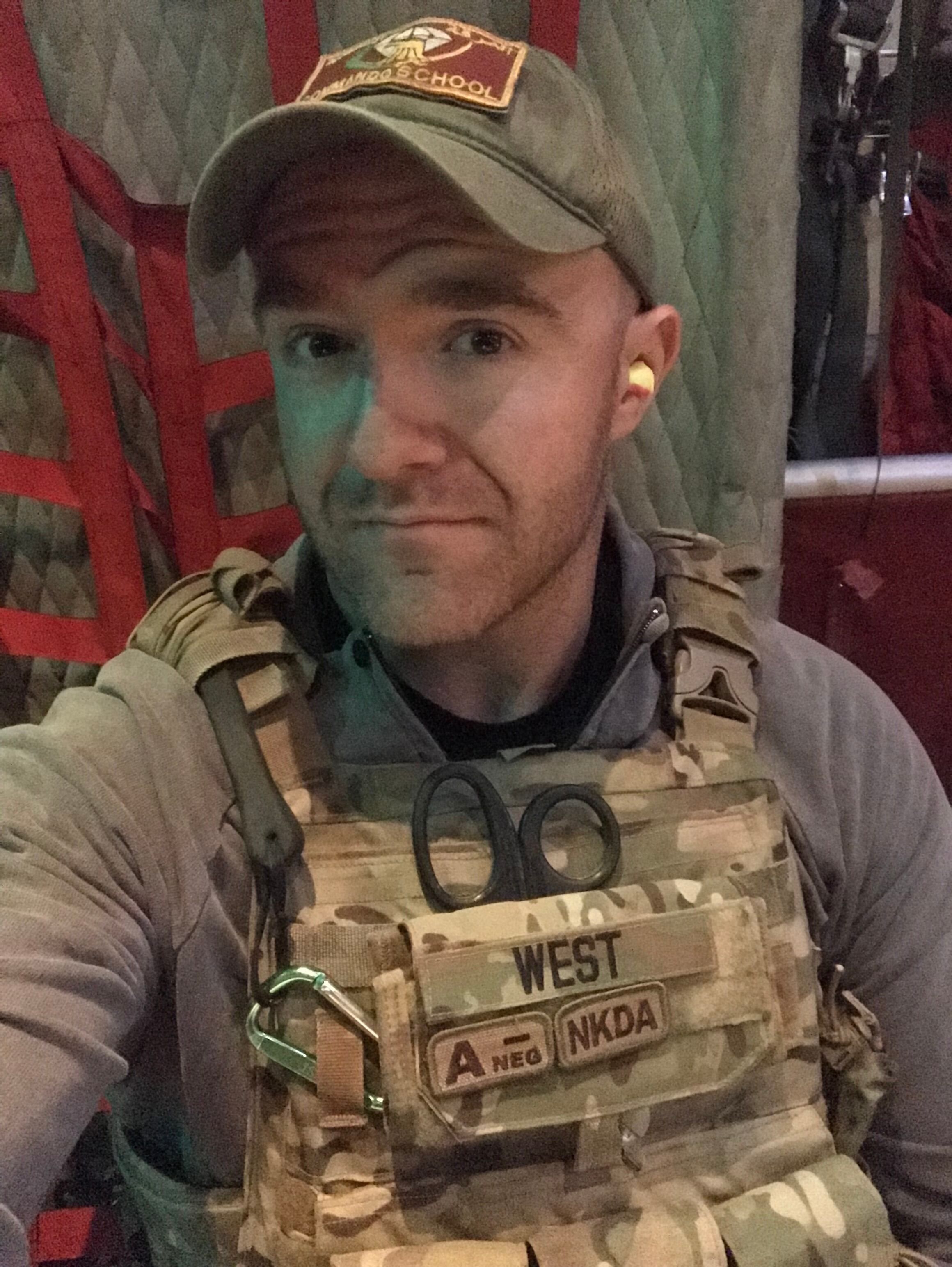
A teammate happened to know the owner of a company that made flat caps, like those worn by golfers and old-school cabbies. That company surprised our team with a box of army green flat caps that matched our camo fatigues. We looked cool as hell.
Exercising our Special Forces prerogative to flout Army uniform regulations, we sported the caps as an unofficial uniform, raising our profile on base as well as our spirits.
What I really needed, though, was a jacket. In packing for my first deployment, I didn’t realize how chilly the desert could get. Some nights dropped as low as 40 degrees, and I foolishly hadn’t packed anything warmer than a sweatshirt. I ordered a Patagonia jacket online and waited weeks, then months, for it to appear in the mailroom.
I didn’t expect any fashionable outerwear to come in the fabled haul of packages we’d been told about, but speculating about what loot they might contain turned into a game at our morning meetings. Most of us were lifters and hoped for tubs of pre-workout and protein powder. The dip addicts crossed their fingers for logs of Copenhagen. All wished for bags of gourmet coffee, pouches of beef jerky, energy drinks, maybe even board games.
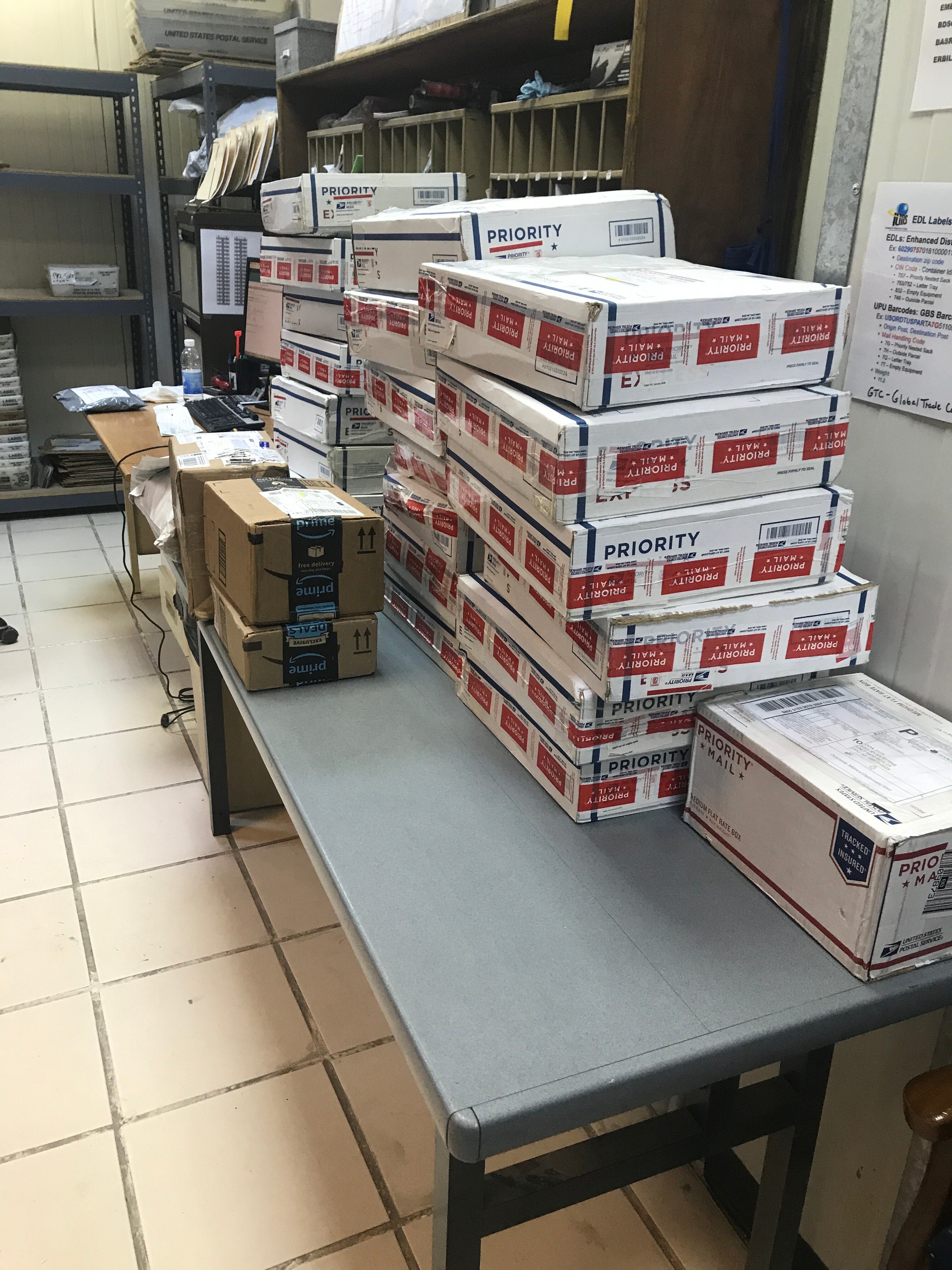
A few weeks into the New Year, the day arrived. I discovered about 30 boxes stacked in the mailroom addressed to us, and the mail sergeant informed me another 90 were on the way.
A hundred and twenty! Even the rumored 100 had been a lowball. I piled them — all red-white-and-blue Priority Mail boxes the size of a birthday cake — high in my dusty Suburban, texted the boys and escorted the precious cargo over the bumpy dirt roads to our team room across base.
And then there we were at last. Green Berets circled like giddy children around a Christmas tree, each having selected one box from the pile and savoring those last moments of mystery before the riches were revealed.
What we found under those box flaps defied all our expectations: Fun-size Snickers and Milky Ways, decorated with jack-o’-lanterns — marking them as trick-or-treater rejects of three months prior — now grotesquely warped in their wrappers after melting in transit.
Canned foods, hearty staples a hermit might select to line the concrete walls of a survivalist bunker: beef stew, baked beans, creamed corn. Dried ramen noodles, brittle in their orange plastic five-packs and adorned with green circular “99¢” stickers no one had bothered to remove.
The senders, as if anticipating gastrointestinal distress from this dollar-store diet, thoughtfully included several rolls of toilet paper. And finally, in every box, there were exactly three pairs of bargain-bin white tube socks.
At first, the quiet was broken by a few quizzical chuckles as we pulled each item out of the boxes, which we soon realized were all packed with a depressing uniformity. Then the heavy silence of disbelief and shock. At last, my teammate said what we all were thinking: “What the fuck? Do they think we’re deployed, or homeless?”
Our gratitude was displaced by second-hand embarrassment, like hearing a badly delivered joke. The well-meaning rubes assembling these packages apparently envisioned us as refugees fleeing some unspeakable calamity that had left us starving, barefoot and without means to wipe ourselves, rather than residing at a sprawling, well-appointed manifestation of the 21st-century military-industrial complex, complete with running water, indoor plumbing and a dining hall serving three kinds of cake.
There were comforts of home that we pined for, but they sure as hell weren’t cheap socks and toilet paper.
Each box struck me as a physical manifestation of Thank You for Your Service — a gesture of appreciation nice enough on the outside but empty of substance. Missing from the packages was also what’s missing in Thank You for Your Service: minimal effort to understand the challenges that people in the military face. And without understanding, you can’t show genuine empathy. Instead, you get performative patriotism and a hundred boxes of things normally collected for homeless shelters.
If those citizens had simply asked any Operation Iraqi Freedom/Operation Enduring Freedom veteran in their town, or even online, what soldiers on deployment need, they could have spent a fraction of the money on things we could’ve used, like that tub of pre-workout powder, a single bag of gourmet coffee, or in my case, a light jacket.
It was unsettling to learn that many civilians apparently have no grasp of the military-industrial behemoth their own taxes are funding. Like shipping ice cubes to Antarctica, these fellow citizens had sent us dried ramen and TP, while untold millions of their tax dollars were providing us with flush toilets and hot meals on a fully developed base established there over a decade ago.
So these people not only didn’t get our individual needs as soldiers, they were voting taxpayers with no comprehension of the resources given to us by the officials they elected and the defense budget they funded.
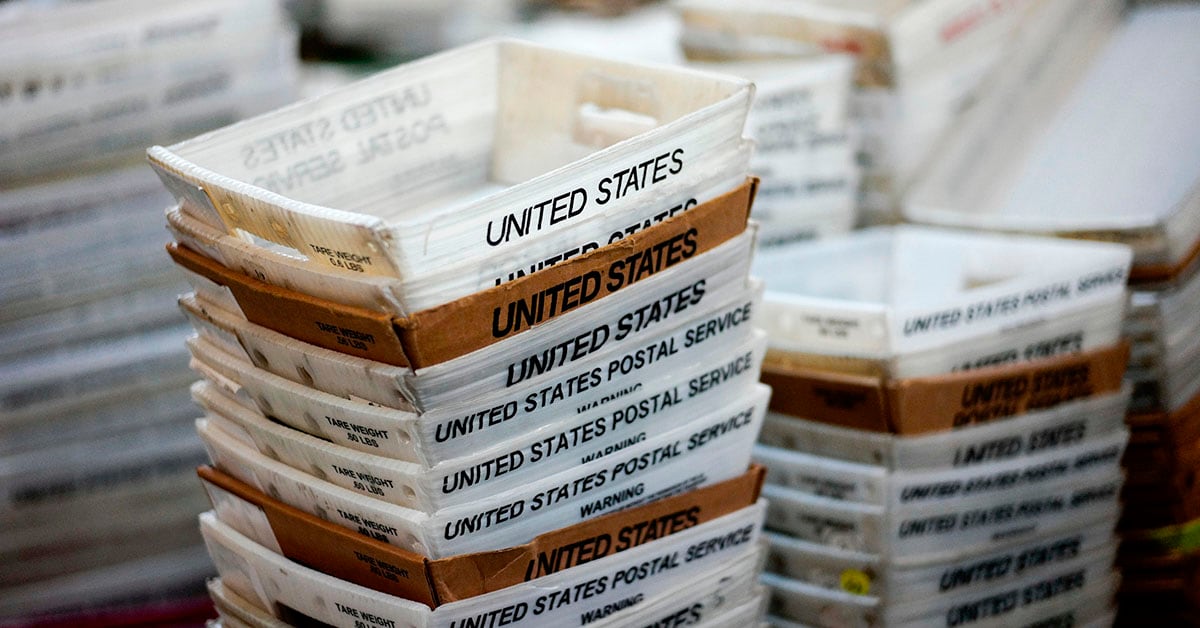
The boxes kept coming, multiplying like dividing cells. Soon our team room resembled a USPS distribution center, red-white-and-blue boxes stacked up the walls. We’d crack one or two in each batch to make sure the contents didn’t vary, and they never did: always the same cheap socks, the same beef stew, the same melted candies.
In the end we did what our government had so effectively taught us to do: We gave it all to the Iraqis. The whole damn pile. Waste disposal disguised as international aid.
We loaded up a truck, drove outside the wire and across the street to the Iraqi base, piled all 120 boxes in an orderly tower on a dusty concrete floor between crates of expired tourniquets and castoff camo fatigues — as if these TP rolls, socks and canned goods were part of the grand U.S. strategy all along — and walked away.
And for all I know, they could still be there, stacked neatly in a dark Iraqi warehouse — boxes we didn’t need, regifted to others in the same unsolicited way they’d been bestowed on us. No one bothered to ask the Iraqis if they liked creamed corn.
This War Horse Reflection was edited by Kim Vo, fact-checked by Jess Rohan and copy-edited by Mitchell Hansen-Dewar. Hrisanthi Pickett wrote the headlines.
Zach West has served in the Army Special Forces in the Middle East, Europe and South America. He has also worked as a New York City paramedic, rare bookseller and contributor for Duffel Blog. A 2021 Tillman Scholar, he earned his master’s from Stanford School of Medicine and a doctorate from Butler University. He lives in California and practices as an internal medicine PA at Stanford Hospital.